

Deciding between a long-term and a short-term rental in Dubai requires careful consideration of various factors, including legal requirements and financial implications. Whether you are relocating for work, planning an extended stay, or exploring the emirate before making a permanent move, understanding these two rental options will help you make an informed decision.
This guide examines the key differences between long-term and short-term rental options in the UAE, covering costs, documentation, flexibility, and practical considerations for tenants.
TL;DR: Long-Term Rentals vs Short-Term Rentals
| Aspect | Long-Term Rentals | Short-Term Rentals |
| Contract Duration | 12 months minimum | 1 day to 6 months |
| Cost Efficiency | Lower monthly rates | Higher daily/monthly rates |
| Initial Expenses | Substantial (deposits, fees, furniture) | Minimal (basic deposit only) |
| Flexibility | Limited early exit options | High flexibility |
| Furnishing Status | Unfurnished/semi-furnished | Fully furnished |
| Utilities Management | Tenant responsibility, paid separately | Included in the rental rate |
| Legal Registration | Ejari registration mandatory | No Ejari required |
| Visa Requirements | Residence visa beneficial | No visa necessary |
| Family Suitability | Highly suitable | Better for individuals/couples |
| Personalization Options | Extensive customisation allowed | Limited modifications permitted |
| Price Stability | Fixed for the contract period | Subject to seasonal variation |
| Additional Costs | Furniture, maintenance, various fees | Cleaning fees, peak season premiums |
Understanding Long-Term Rentals in Dubai

Long-term rentals in Dubai refer to annual tenancy agreements registered with the Real Estate Regulatory Agency (RERA). These contracts typically span 12 months and provide tenants with stable accommodation at fixed rental rates throughout the contract period.
Most long-term rental properties come unfurnished or semi-furnished, featuring basic kitchen appliances and built-in wardrobes. Tenants bear the responsibility of furnishing the property according to their preferences and needs.
The payment structure for long-term rentals varies depending on landlord preferences and tenant negotiations. Common arrangements include one to four post-dated cheques distributed throughout the year, though some landlords accept monthly payments or single annual payments.
Suitability for Different Tenant Profiles
Long-term renting in the UAE proves particularly advantageous for families with school-age children requiring stability, working professionals holding permanent employment contracts, residents planning to remain in Dubai for extended periods, and individuals seeking to sponsor family members for residence visas.
Exploring Short-Term Rentals in Dubai
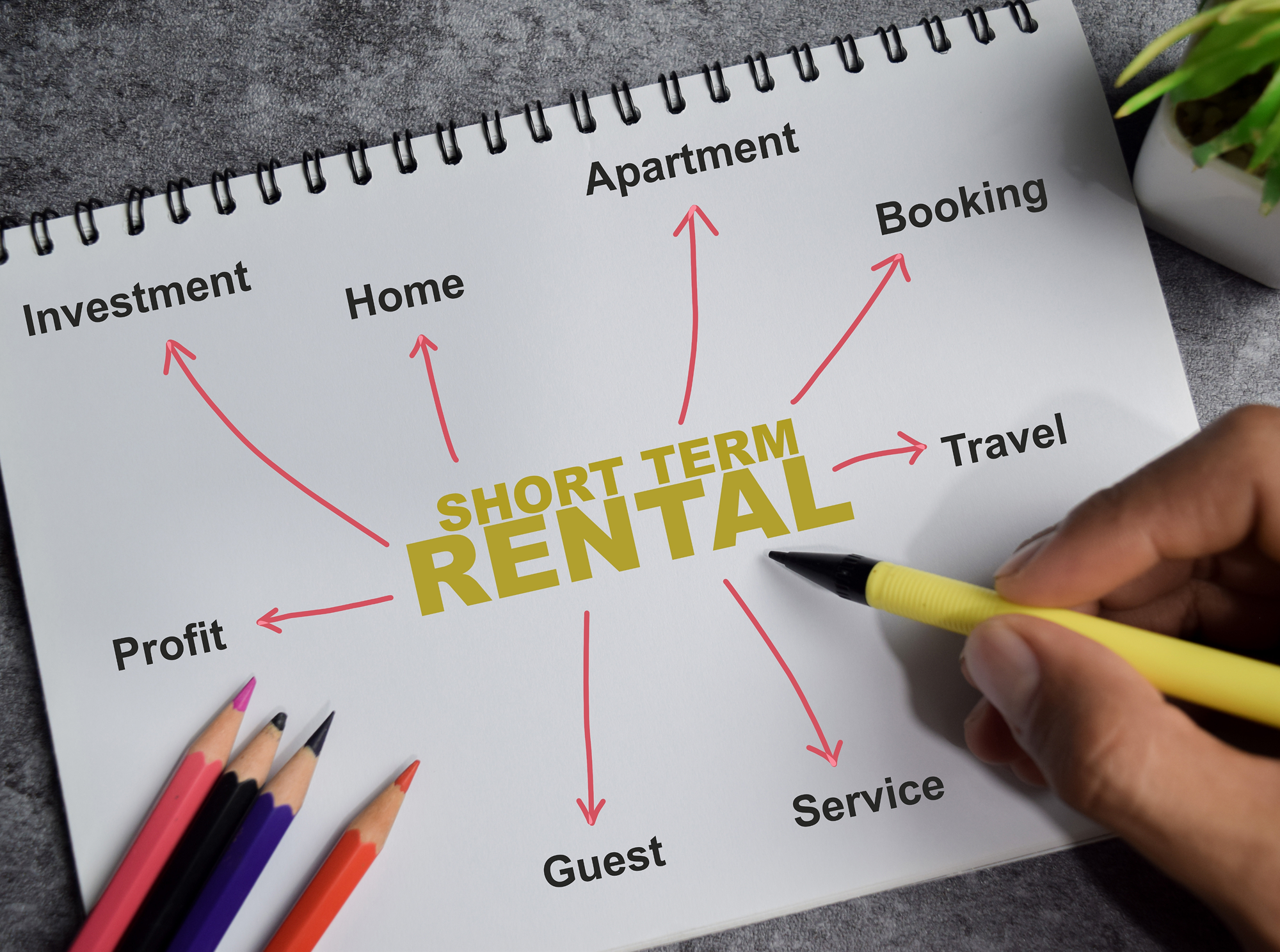
Short-term rentals encompass rental agreements ranging from daily stays to six-month periods. This category includes holiday homes, serviced apartments, hotel apartments, and properties listed on platforms such as Airbnb, all regulated by the Department of Economy and Tourism (DET).
These accommodations arrive fully furnished and equipped, allowing tenants to settle in immediately without additional purchases or setup requirements.
Legal Status of Short-Term Rentals
Short-term renting remains fully legal in Dubai, provided properties maintain valid permits and registration with the DET. Regulatory enforcement has intensified in 2025, with authorities removing unlicensed listings from major platforms. Properties must be rented in their entirety—partial home rentals are prohibited under current regulations.
Duration Limitations
Short-term rental contracts accommodate stays ranging from one day to six months. Stays exceeding six months typically require transition to long-term rental agreements with proper Ejari registration.
Financial Comparison: Monthly vs Yearly Rent in Dubai

Long-Term Rental Expenses
Long-term tenants encounter several upfront costs when securing accommodation:
- Annual rent payment (varies by location and property type)
- Security deposit: 5% of annual rent for unfurnished properties, 10% for furnished units
- Real estate agency commission: 5% of annual rent or AED 5,000, whichever amount is higher
- Ejari registration fee: AED 120-250, depending on registration method
- DEWA utility deposit: AED 2,000 for apartments, AED 4,000 for villas (refundable upon tenancy termination)
- DEWA connection fee: AED 110-300
Recurring monthly expenses include:
- Electricity and water bills through DEWA
- Housing fee (5% of annual rent divided across 12 months)
- Internet and television services (typically AED 300-500 monthly)
- District cooling (chiller) fees where applicable
Short-Term Rental Expenses
Short-term accommodations present a simpler cost structure:
- Daily, weekly, or monthly rental rates (significantly higher than long-term equivalents on a per-day basis)
- Security deposit equivalent to approximately one month’s rent
- Tourism Dirham fee: AED 10-15 per room per night (applicable for first 30 consecutive nights)
- Possible cleaning fees upon checkout
Notably, short-term rental rates typically include utilities, internet services, and often weekly housekeeping, eliminating separate billing concerns.
Cost-Effectiveness Analysis
For stays exceeding three months, long-term rentals demonstrate clear financial advantages. While initial expenses appear substantial, monthly rental costs remain considerably lower than short-term alternatives.
Conversely, short-term rental Dubai options prove more economical for stays under three months, particularly when accounting for avoided expenses such as furniture purchases, utility deposits, and agency commissions.
Legal Requirements and Documentation

Long-Term Rental Documentation
Ejari Registration Requirements
Ejari registration stands as a mandatory requirement for all long-term tenancy contracts in Dubai. This system, administered by RERA under the Dubai Land Department, provides legal protection for both tenants and landlords while creating official tenancy records.
As of 2025, all occupants residing in a property must appear on the Ejari registration, including shared accommodation arrangements.
Required Documents:
- Original signed tenancy contract
- Tenant’s Emirates ID
- Tenant’s passport and UAE visa copies
- Landlord’s passport copy
- Property title deed copy
- DEWA premises number or recent utility bill
Registration can be completed online through the Dubai REST application or through approved trustee centres, with certificates typically issued within one to two business days.
Short-Term Rental Documentation
Short-term rental in Dubai for tenants requires minimal documentation:
- Valid passport or Emirates ID
- Accepted payment method
- No Ejari registration necessary
- No utility account setup required
Visa Requirements for Expats
A significant advantage of short-term rentals is the absence of residence visa requirements. Expats and tourists can secure accommodation using only a valid passport and payment method. This accessibility benefits tourists on vacation, business travelers on assignment, expats processing residence visas, and individuals transitioning between employment opportunities.
Flexibility and Tenant Considerations
Long-Term Rental Flexibility
Long-term contracts contain specific stipulations regarding early termination, which may result in penalties or forfeiture of security deposits unless alternative arrangements were negotiated during contract signing.
However, long-term rentals offer distinct advantages:
- Freedom to personalise and modify living spaces
- Ability to sponsor family members for residence visas
- Protection from arbitrary rent increases through RERA regulations
- Stable, predictable housing costs
Short-Term Rental Flexibility
Short-term accommodations provide exceptional flexibility for tenants who remain uncertain about their duration of stay in Dubai, wish to explore various neighbourhoods before committing long-term, require temporary housing during professional transitions, or prefer arrangements without extended commitments.
The trade-off involves reduced legal protections and potential exposure to seasonal pricing fluctuations.
Additional Cost Considerations

Long-Term Rental Hidden Expenses
District Cooling Charges: Properties utilising district cooling systems incur usage-based chiller fees, unless landlords agree to cover these expenses. This information should be clarified during contract negotiations.
Housing Fee: All Dubai properties are subject to a 5% housing fee calculated on the annual rental value and distributed across 12 monthly instalments through DEWA billing.
Furniture and Setup Costs: Unfurnished properties require substantial investment in furniture, appliances, and household items, typically ranging from AED 10,000 to AED 30,000, depending on property size and quality preferences.
Maintenance Responsibilities: According to Dubai Tenancy Law, tenants handle minor repairs under AED 500, while landlords remain responsible for major structural repairs.
Short-Term Rental Hidden Expenses
Cleaning Fees: Many properties charge cleaning fees between AED 200-500 either between stays or upon final checkout.
Seasonal Rate Variations: Rental rates fluctuate significantly during peak seasons (October through April) and major events, occasionally doubling or tripling standard rates.
Tourism Dirham Fee: While typically included in quoted rates, tenants should verify this fee’s inclusion to avoid unexpected charges.
Utility Services and Inclusions
Long-Term Rentals
Tenants manage all utility arrangements, including establishing DEWA accounts, paying monthly electricity and water bills, arranging internet and television services, managing housing fees (5% of annual rent), and handling chiller fees unless covered by landlords.
Short-Term Rentals
Short-term accommodations typically include all utilities within the rental rate—electricity, water, internet, WiFi, air conditioning costs, and often weekly or bi-weekly housekeeping services. This comprehensive approach simplifies budgeting despite higher overall costs.

Decision Framework for Tenants
When to Choose Long-Term Rentals:
- Planning to remain in Dubai for one year or longer
- Seeking a stable home environment
- Relocating with family members, particularly children
- Prioritising cost savings over flexibility
- Requiring visa sponsorship for family members
- Willing to manage setup processes and upfront expenses
When to Choose Short-Term Rentals:
- Temporary Dubai stay (under six months)
- Requiring maximum flexibility without long-term commitment
- Preferring move-in ready, furnished accommodation
- Exploring neighbourhoods before permanent settlement
- Lacking a UAE residence visa
- Accepting premium pricing for convenience and simplicity
Frequently Asked Questions
Which rental type offers better value, long-term or short-term?
Long-term rentals provide significantly better value for stays exceeding three months. Despite higher initial costs, monthly rental expenses remain substantially lower than short-term alternatives. Short-term rentals prove more economical for stays under three months when considering avoided expenses such as furniture purchases, utility deposits, and agency fees.
Is Ejari registration mandatory for long-term rentals but not short-term?
Correct. Ejari registration is legally required for all long-term tenancy contracts in Dubai. Short-term rentals fall under tourism regulations managed by the DET and do not require Ejari registration.
Are utilities included in short-term rental rates?
Most short-term rentals include utilities (electricity, water, internet, air conditioning) within the quoted rental rate. Long-term rentals require tenants to establish and maintain separate utility accounts with independent billing.
Can expatriates rent short-term accommodation without residence visas?
Yes. Short-term rentals do not require UAE residence visas. Tenants need only valid passports and accepted payment methods, making this option suitable for tourists, business travellers, and expatriates processing visa applications.
What documentation differences exist between rental types?
Long-term rentals require comprehensive documentation: tenancy contracts, Emirates IDs, passport and visa copies, landlord documentation, title deeds, and DEWA account information for Ejari registration. Short-term rentals require only a valid passport or Emirates ID and payment methods.
Both long-term and short-term rentals in Dubai serve distinct tenant needs and circumstances. Long-term renting in Uthe AE delivers stability, cost efficiency, and legal protections ideal for residents, families, and those planning extended stays. Short-term rental Dubai options provide flexibility, convenience, and simplified arrangements suited for temporary stays and uncertain timelines.
The optimal choice depends on individual circumstances: anticipated duration of stay, residence visa status, family considerations, and budget constraints. By thoroughly evaluating these factors against the information provided in this guide, tenants can select the rental arrangement best aligned with their specific needs and objectives.
For additional insights on Dubai’s property market and rental guidance, keep reading UAE Realty’s blog.