
Buying off-plan property in Dubai offers investors and homebuyers a strategic entry point into one of the world’s most dynamic real estate markets. This approach allows you to purchase directly from developers before construction completes, often at prices below market value with flexible payment structures. Dubai’s transparent regulations and investor-friendly policies make this process accessible to both local and international buyers.
Understanding how to buy off-plan in Dubai requires knowledge of payment plans, legal protections, and developer selection criteria. The Dubai Land Department regulates every transaction to protect buyer interests through mandatory escrow accounts and standardized contracts. Whether you seek a home or an investment property, mastering this process unlocks significant opportunities in Dubai’s thriving real estate sector.
Table of Contents
- TL;DR: Quick Overview
- What Is Off-Plan Property in Dubai?
- Why Buy Off-Plan in Dubai?
- Step-by-Step Guide: How to Buy Off-Plan in Dubai
- Understanding Payment Plans
- Required Documents for Purchase
- Legal Protection and Regulations
- Choosing the Right Developer
- Risks and How to Mitigate Them
- FAQs
TL;DR: Quick Overview
- Off-plan properties sell before or during construction at below-market prices
- Foreign buyers can purchase in freehold zones without residency requirements
- Payment plans spread costs over 3-5 years with down payments from 10-20%
- Dubai Land Department protects buyers through mandatory escrow accounts
- Common payment structures include 80/20, 60/40, 50/50, and post-handover plans
- Essential documents include passport, sales agreement, and payment proofs
- Registration fees equal 4% of property value paid to DLD
- Research developer track records and completion history before committing
- Monitor construction progress through developer updates and DLD portals
- Title deed transfers after full payment and successful handover inspection
What Is Off-Plan Property in Dubai?
 Definition and Concept
Off-plan property refers to real estate units sold before construction completes. Buyers purchase directly from developers using floor plans, 3D renderings, and virtual tours instead of viewing finished units. This approach reduces upfront costs and spreads payments across the construction timeline.
Developers launch off-plan projects to secure funding while offering buyers lower entry prices. The Dubai Land Department registers these transactions through the Oqood system, which provides provisional ownership certificates. This certificate protects your rights until you receive the title deed upon project completion.
How Off-Plan Differs from Ready Properties
Off-plan purchases require patience as construction typically spans 2-4 years. Ready properties offer immediate occupancy but command higher prices with full payment required upfront or through traditional mortgages. Off-plan buyers benefit from appreciation potential as property values often rise during construction.
Payment flexibility distinguishes off-plan from ready properties. You pay in installments linked to construction milestones rather than securing full financing immediately. This structure makes property ownership accessible to more buyers and investors seeking portfolio diversification.
Why Buy Off-Plan in Dubai?
Financial Advantages
Off-plan properties in Dubai sell at 15-30% below market rates for completed units. Developers price these projects competitively to attract early buyers and secure construction funding. Your investment appreciates as construction progresses, potentially delivering returns before you take possession.
Installment plans eliminate the need for large upfront capital. You secure prime properties with down payments as low as 10-20% and spread remaining costs over years. This cash flow advantage allows investors to deploy capital across multiple projects simultaneously.
Investment Potential
Dubai’s real estate market historically shows strong appreciation during construction phases. Strategic locations near business districts, metro stations, or tourist attractions deliver higher returns. Early buyers often resell units before completion, capitalizing on market appreciation without taking handover.
Rental yields in Dubai range from 5-8% annually, among the highest globally. Off-plan buyers who hold properties post-completion generate passive income while benefiting from long-term capital appreciation. The emirate’s tax-free environment enhances overall returns compared to markets with property taxes.
Flexible Payment Options
Developers structure payment plans to accommodate different financial situations. Construction-linked plans tie payments to project milestones like foundation completion or topping-off ceremonies. Time-linked plans schedule fixed payments quarterly or semi-annually regardless of construction progress.
Post-handover payment plans extend beyond completion, allowing buyers to pay portions over 2-3 years after moving in. This flexibility suits end-users who need time to arrange financing or investors managing multiple acquisitions. Negotiable terms with developers provide additional customization opportunities.
Step-by-Step Guide: How to Buy Off-Plan in Dubai
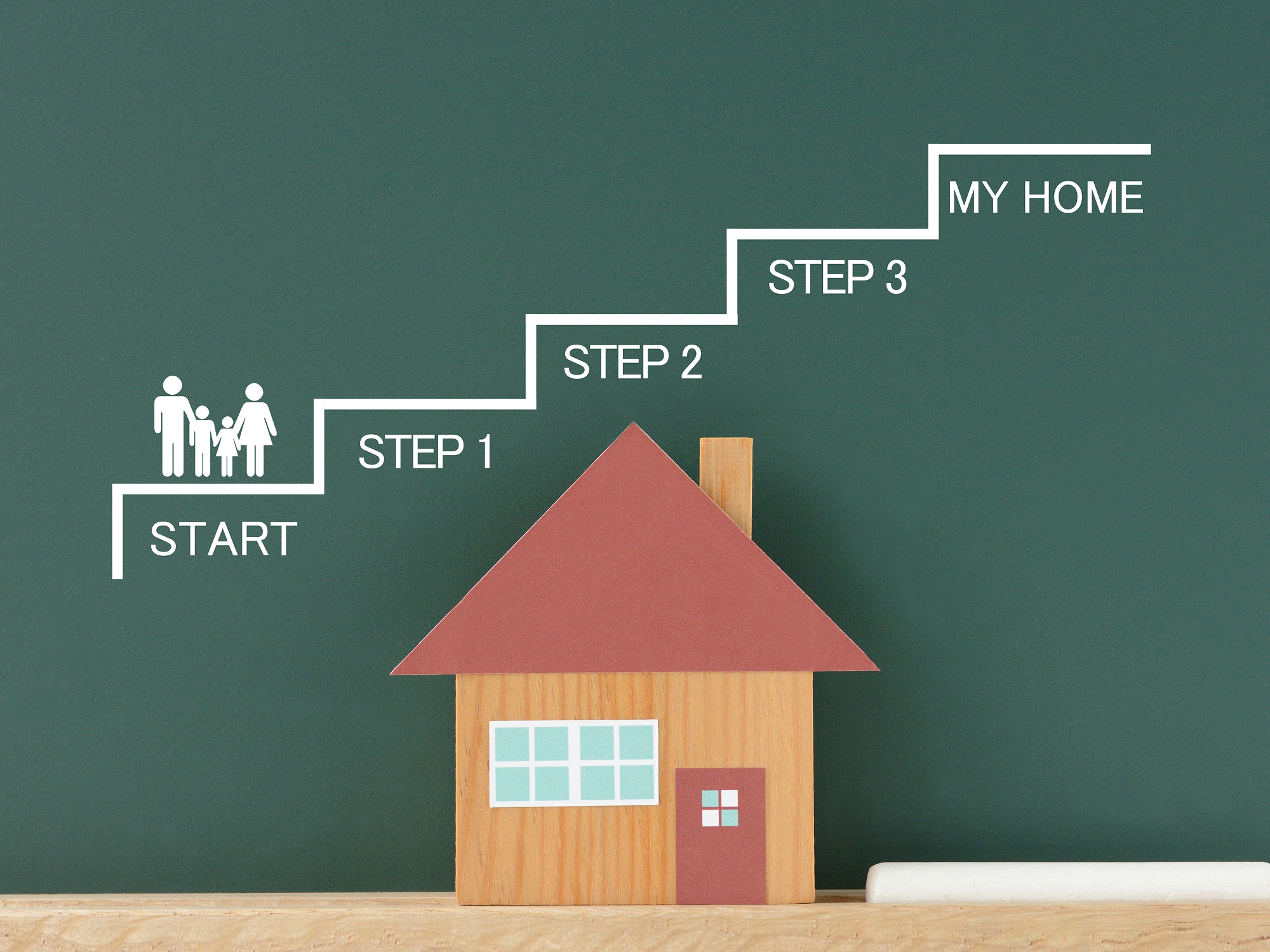 Step 1: Research the Market
Start by analyzing Dubai’s real estate trends and identifying areas with growth potential. Dubai Marina, Dubai Hills Estate, and Mohammed bin Rashid City show consistent appreciation and strong rental demand. Study price trends, infrastructure developments, and upcoming metro extensions that enhance area values.
Evaluate different property types based on your goals. Studios and one-bedroom units attract young professionals and generate steady rental income. Larger units appeal to families and command higher prices but may take longer to sell or rent.
Step 2: Select a Reputable Developer
Choose developers registered with the Dubai Land Department with proven track records. Review their completed projects, on-time delivery history, and build quality through site visits. Established names like Emaar, Damac, and Meraas offer reliability, while emerging developers may provide competitive pricing.
Verify the developer maintains an escrow account per Law No. 8 of 2007. This account protects your payments by ensuring funds release only when construction reaches specified milestones. Check developer credentials through the DLD website or consult RERA-licensed agents for recommendations.
Step 3: Determine Your Budget
Calculate total costs including down payment, installments, and fees. Budget for the 4% DLD registration fee, agent commissions if applicable, and mortgage arrangement fees if financing. Add contingency reserves for potential payment plan adjustments or completion delays.
Secure mortgage pre-approval if needed, as banks offer up to 50% loan-to-value for off-plan properties. Pre-approval clarifies your purchasing power and strengthens negotiations with developers. Compare financing options from multiple banks to secure favorable interest rates and terms.
Step 4: Reserve Your Unit
Pay a booking deposit of 5-10% to reserve your chosen unit. Review floor plans carefully, noting room dimensions, balcony sizes, and views. Request virtual tours or visit the sales office to examine model units and understand finishing standards.
Confirm unit specifications, parking allocations, and any customization options available. Developers may offer upgrades or modifications during early sales phases. Clarify what’s included in the base price versus optional add-ons.
Step 5: Sign the Sales and Purchase Agreement
The SPA outlines all transaction terms including payment schedule, completion date, and specifications. Review this document thoroughly with a legal advisor before signing. The agreement specifies penalties for delayed payments and developer obligations for timely completion.
Ensure the SPA includes the payment plan structure, handover procedures, and developer warranties. This legally binding contract protects both parties and forms the basis for DLD registration. Request clarification on any unclear terms before committing your signature.
Step 6: Make Scheduled Payments
Follow the payment plan precisely to avoid penalties or potential unit forfeiture. Set reminders for each installment deadline and maintain documentation of all transactions. Developers typically send payment notices 30 days before each due date.
Monitor your escrow account statements through the developer or DLD portal. These statements confirm your payments reach the protected account and track construction progress. Keep all receipts and bank transfer confirmations for your records.
Step 7: Track Construction Progress
Request regular updates from the developer on construction milestones. Visit the site periodically to observe progress firsthand. The DLD and RERA portals provide official project status updates and completion percentages.
Stay informed about any timeline changes communicated by the developer. Delays occur occasionally due to market conditions or supply chain issues. Maintain communication channels with the developer’s customer service team for prompt issue resolution.
Step 8: Conduct Snagging Inspection
Schedule a thorough inspection upon project completion before final payment. Identify defects, incomplete work, or deviations from agreed specifications. Hire professional snagging companies to detect issues you might miss.
Document all findings with photographs and written descriptions. Submit the snagging list to the developer and agree on rectification timelines. Developers typically address issues within 30-60 days before final handover.
Step 9: Complete Registration and Handover
Pay the final installment and any outstanding fees after satisfactory defect resolution. Register the property with DLD to receive your title deed, confirming full ownership. Pay the 4% registration fee plus nominal trustee office charges.
Collect keys, access cards, and property documents during the handover meeting. Receive operating manuals for appliances, community guidelines, and service charge information. Transfer utilities to your name and register with property management.
Understanding Payment Plans
 Common Payment Structures
Learning how to buy off-plan in Dubai requires understanding various payment structures developers offer. These plans determine when you pay and how much, directly impacting your cash flow and investment strategy. Each structure serves different buyer profiles and market conditions.
80/20 Payment Plan
This popular structure requires 80% payment during construction and 20% at handover. You typically pay 10% as a booking deposit, then installments at construction milestones like foundation completion, structural completion, or 40% and 60% progress markers. The final 20% becomes due when the developer hands over the completed unit.
The 80/20 plan suits buyers with steady income who prefer completing most payments before possession. Developers favor this structure in competitive markets as it secures substantial funding upfront. You benefit from predictable payment schedules tied to visible construction progress.
60/40 and 50/50 Plans
These balanced structures split payments more evenly between construction and handover. The 60/40 plan requires 60% during construction and 40% at completion, while 50/50 divides payments equally. Down payments range from 10-20%, with remaining construction-phase amounts distributed across milestones or fixed intervals.
These plans help buyers preserve capital for handover when additional costs arise. The larger handover payment provides flexibility if you plan to secure traditional financing upon completion. Investors often prefer these structures to maintain liquidity for other opportunities.
Post-Handover Payment Plans
The 30/40/30 structure revolutionizes affordability by extending payments beyond completion. You pay 30% during construction, 40% at handover, and the remaining 30% over 2-3 years after moving in. This plan attracted significant buyer interest during launch phases but becomes rarer in hot markets.
Post-handover plans suit end-users who need time to arrange full financing or investors planning to rent properties immediately. Monthly installments after handover resemble mortgage payments but often come without interest charges. Verify all terms as developers may include service charges or conditions in extended payment periods.
Payment Plan Comparison Table
| Plan Type | Booking/Down Payment | Construction Phase | Handover/Final | Post-Handover |
| 80/20 Construction-Linked | 10% | 70% (at milestones) | 20% | – |
| 60/40 Balanced | 10-20% | 40-50% (milestones/quarterly) | 40% | – |
| 50/50 Equal Split | 10-20% | 30-40% (quarterly) | 50% | – |
| 30/40/30 Post-Handover | 30% | Included in initial | 40% | 30% over 2-3 years |
Construction-Linked vs. Time-Linked Plans
Construction-linked plans tie payments to specific project milestones like foundation, structural work, or façade completion. You pay only when the developer achieves verified progress, providing assurance that work advances. These plans protect buyers as payment schedules adjust if construction delays occur.
Time-linked plans schedule payments at fixed intervals regardless of construction status. Quarterly or semi-annual installments offer predictability for financial planning. However, you must pay even if construction experiences delays, making developer reputation crucial for this structure.
Developer-Specific Variations
Major developers customize payment plans to differentiate their offerings. Emaar frequently uses a 10/80/10 structure with 10% down, 80% during construction, and 10% at handover. Smaller developers might offer more aggressive terms like 10% down and 90% at handover to attract buyers.
Market conditions influence payment structure availability. During strong markets, developers demand higher upfront payments. Slower markets see more flexible terms, including longer post-handover periods. Always verify escrow protection regardless of payment structure attractiveness.
Missed Payment Consequences
Understand penalties before committing to any payment plan. Developers typically charge late fees of 1-3% monthly on overdue amounts. Persistent non-payment may result in contract termination and unit forfeiture, though you might receive partial refunds minus penalties.
Most developers negotiate payment extensions for genuine financial difficulties. Communicate proactively if you anticipate payment challenges. Restructuring options may include extended timelines or adjusted installment amounts, preserving your investment without penalties.
Required Documents for Purchase
 Individual Buyer Documents
Understanding how to buy off-plan in Dubai includes knowing exactly which documents you need. Foreign buyers require minimal paperwork, primarily identity verification and payment proof. Organize these documents early to streamline the transaction process.
Essential Identity Documents
Provide a clear, valid passport copy with at least six months remaining validity. This serves as your primary identification throughout the transaction. Non-residents need only a passport, while UAE residents must also submit Emirates ID and residence visa copies.
Submit proof of address through utility bills, bank statements, or tenancy contracts. Developers and banks require this for compliance with anti-money laundering regulations. Ensure documents are recent, typically issued within the last three months.
Compliance and Financial Documents
Complete FATCA and CRS self-certification forms declaring your tax residency status. International financial regulations require these declarations for cross-border transactions. Provide source of funds documentation if requested, including bank statements, salary certificates, or business income proof.
Maintain comprehensive contact details including email addresses and phone numbers. Developers use these for payment reminders and project updates. Ensure information remains current throughout the transaction period.
Transaction-Specific Documents
Reservation and Agreement Documents
Sign the reservation form along with proof of booking fee payment. This receipt confirms your unit reservation and initiates the sales process. The booking deposit typically ranges from 5-10% of the property value.
The Sales and Purchase Agreement represents the most critical document, outlining all transaction terms. This includes payment schedules, completion dates, specifications, and both parties’ obligations. Review this contract carefully before signing, preferably with legal counsel.
Payment and Registration Documents
Maintain receipts for all payments including down payments, installments, and the 4% DLD registration fee. These documents prove your financial commitment and facilitate title deed transfer. Keep both physical and digital copies for your records.
Receive an Oqood certificate after SPA registration with the DLD. This provisional ownership document protects your rights during construction. The certificate serves as proof of purchase until you receive the final title deed at handover.
Handover Documents
Obtain a No Objection Certificate from the developer if you plan to resell before completion. This document costs AED 500-5,000 and confirms the developer approves the transaction. NOCs are primarily necessary for pre-handover resales.
Collect the title deed at final handover after completing all payments and passing snagging inspections. This deed confirms full ownership and allows you to register utilities, obtain mortgages, or resell the property. Store this document securely as it represents your property ownership proof.
Special Situations
Corporate Buyers
Companies purchasing off-plan properties need additional documentation. Submit trade license copies, board resolutions authorizing the purchase, and shareholder passport copies. Corporate structures require more extensive due diligence to verify authorized signatories.
Remote Purchases
Buyers unable to attend transactions in person must provide notarized Power of Attorney. This document authorizes a representative to sign agreements and handle transactions on your behalf. Ensure attestation by UAE embassies and translation if required.
International POAs require authentication through the buyer’s home country authorities and UAE embassy attestation. This process takes several weeks, so plan accordingly. Choose trusted representatives as they hold significant authority over your transaction.
Legal Protection and Regulations
 Dubai Land Department Oversight
The DLD regulates all real estate transactions in Dubai, ensuring buyer protection through standardized processes. Every off-plan sale must register through their Oqood system, creating an official record of your purchase. This registration protects your ownership rights throughout construction.
DLD mandates that developers maintain specific standards for project approvals and sales practices. Only DLD-registered developers can sell off-plan properties legally. Verify developer registration status through the DLD website before committing to any purchase.
Escrow Account Protection
Law No. 8 of 2007 requires developers to deposit all buyer payments into escrow accounts. These accounts protect your funds by releasing money only when construction reaches verified milestones. Trustees monitor accounts and ensure funds serve their intended purpose.
Verify your developer’s escrow account details before making payments. The SPA should clearly state the account information and trustee name. Never transfer funds to developer personal accounts or unregistered entities, as this eliminates legal protection.
RERA Regulations
The Real Estate Regulatory Agency (RERA) under DLD oversees property development and transactions. RERA licenses all real estate agents, brokers, and developers operating in Dubai. Engage only RERA-licensed professionals to ensure compliance with regulations and protect your interests.
RERA maintains complaint mechanisms for buyers facing developer issues. You can file complaints through their website if developers fail to meet contractual obligations. The agency mediates disputes and enforces penalties against non-compliant developers.
Freehold vs. Leasehold
Foreign buyers can purchase freehold properties in designated areas with full ownership rights. These zones include Dubai Marina, Downtown Dubai, Dubai Hills Estate, and over 40 other communities. Freehold ownership grants you the right to live in, rent, or sell the property without restrictions.
Leasehold properties offer ownership for fixed periods, typically 99 years, after which ownership reverts to the original owner. Some areas restrict foreign ownership to leasehold arrangements. Verify the ownership type before purchasing to understand your long-term rights.
Consumer Protection
Dubai’s real estate laws protect buyers through mandatory developer warranties and defect rectification periods. Developers must address structural defects within warranty periods, typically one year for minor issues and ten years for major structural problems. Document all defects during snagging inspections to activate warranty coverage.
The Oqood system prevents developers from selling the same unit to multiple buyers. Your registration creates a public record of ownership that developers cannot override. This system eliminates fraud risks common in less regulated markets.
Choosing the Right Developer
 Evaluating Developer Credentials
Research developer history, completed projects, and market reputation before committing. Established developers demonstrate consistent quality and timely delivery, reducing investment risks. Visit completed projects to assess build quality, community management, and resident satisfaction.
Check developer registration status with the DLD and verify their escrow account setup. Request information about their financial stability and project funding sources. Strong developers maintain transparent communication and readily provide requested documentation.
Track Record Analysis
Examine the developer’s on-time delivery history across multiple projects. Delays significantly impact off-plan investments, especially if you plan to flip properties or need rental income by specific dates. Developers with consistent track records deserve premium consideration despite potentially higher prices.
Review past project quality through site visits and online reviews. Speak with existing owners about their experiences with after-sales service, defect rectification, and community management. Quality developers maintain strong reputations through customer satisfaction.
Financial Stability
Strong developers demonstrate financial stability through diverse project portfolios and partnerships with major financial institutions. Check if the developer has completed projects with major banks providing funding, indicating institutional confidence. Financial stability ensures project completion even during market downturns.
Avoid developers offering suspiciously low prices or aggressive payment terms without proven track records. These red flags may indicate financial difficulties or unrealistic project planning. Balance price attraction with developer reliability for optimal risk management.
Project Quality Indicators
Examine project specifications, finishing standards, and amenities carefully. Quality developers use reputable contractors and premium materials reflected in their pricing. Compare specifications across developers to identify those offering genuine value versus budget options.
Review architectural designs and master plans for community sustainability. Well-planned communities maintain property values through thoughtful layouts, adequate parking, and quality amenities. Poor planning creates long-term issues affecting resale values and rental demand.
Developer Portfolio Examples
Major developers like Emaar Properties built landmarks including Burj Khalifa and Dubai Mall, demonstrating capability for mega-projects. Damac Properties offers luxurious developments with branded residences. Nakheel created iconic projects like Palm Jumeirah, showing innovation in waterfront development.
Emerging developers like Azizi Developments and Deyaar provide competitive pricing with growing portfolios. Meraas focuses on lifestyle communities integrating retail, dining, and entertainment. Select developers whose portfolio aligns with your investment strategy and risk tolerance.
Risks and How to Mitigate Them
 Construction Delays
Project delays represent the most common off-plan risk in Dubai. Various factors including supply chain disruptions, labor shortages, or market conditions extend completion timelines. Delays impact investors planning to flip properties or generate rental income by specific dates.
Mitigate this risk by selecting developers with proven on-time delivery records. Include penalty clauses in SPAs requiring compensation for delays beyond reasonable periods. Maintain financial buffers to accommodate extended payment periods if projects take longer than planned.
Developer Financial Issues
Developer financial instability can halt projects mid-construction, leaving buyers with unfinished units. While escrow accounts provide protection, resolving such situations involves lengthy legal processes. Choose established developers with strong financial backing to minimize this risk.
Verify escrow account setup and trustee credentials before purchasing. Research developer financial health through market analysis and news monitoring. Diversify investments across multiple developers rather than concentrating exposure with a single entity.
Market Fluctuations
Property values fluctuate based on economic conditions, supply levels, and investor sentiment. Buying during market peaks increases downward price pressure risks. Off-plan buyers face extended exposure to market changes during lengthy construction periods.
Research market cycles and price trends before purchasing. Buy in established areas with consistent demand rather than speculative locations. Adopt long-term investment horizons rather than relying on quick appreciation for returns.
Specification Changes
Developers occasionally modify project specifications during construction due to practical or financial constraints. Changes might affect unit sizes, finishing materials, or community amenities. Such alterations impact property values and buyer satisfaction.
Review SPAs carefully for clauses allowing specification changes. Demand clear documentation of exact specifications including materials, brands, and dimensions. Maintain regular communication with developers to stay informed about any proposed modifications.
Payment Default Consequences
Missing payment deadlines results in penalties, late fees, or potential contract termination. Financial hardships during construction periods create stress and potential loss of invested amounts. Forfeited deposits rarely return in full after deducting developer penalties.
Maintain emergency funds to cover installments during income disruptions. Choose payment plans matching your financial capacity rather than stretching budgets. Communicate proactively with developers if facing payment difficulties to negotiate solutions before defaults occur.
Resale Challenges
Selling units before completion requires developer NOCs and finding buyers willing to assume your payment obligations. Market conditions during your desired sale period may not favor sellers. Pre-handover resale markets can be illiquid during oversupply periods.
Buy in prime locations with strong historical demand to ease resale. Price properties competitively if exiting before completion. Work with experienced agents familiar with off-plan resales to navigate regulatory requirements efficiently.
FAQs
Can foreigners buy off-plan property in Dubai?
Yes, foreigners can purchase off-plan properties in designated freehold areas without UAE residency requirements. You need only a valid passport to complete transactions in areas like Dubai Marina, Downtown Dubai, and Dubai Hills Estate.
What is the minimum down payment for off-plan properties?
Developers typically require 10-20% down payments for off-plan purchases, though specific amounts vary by project and payment plan. Some promotional launches offer as low as 5% booking deposits, while luxury projects may demand 20-30% initial payments.
How long does off-plan construction take?
Construction timelines typically range from 2-4 years depending on project size and complexity. High-rise towers require longer periods than low-rise developments, while villas may complete within 18-24 months.
What happens if the developer delays completion?
Developers may face penalties outlined in SPAs for unreasonable delays, though market-standard grace periods usually apply. Buyers can file complaints with RERA if delays become excessive, though escrow protections ensure your payments remain secure regardless.
Can I get a mortgage for off-plan property?
Yes, UAE banks offer mortgages up to 50% loan-to-value for off-plan properties to eligible buyers. Secure pre-approval before reserving units to confirm financing availability, as mortgage terms differ from ready property loans.
What is an Oqood certificate?
The Oqood certificate serves as provisional ownership documentation issued after SPA registration with DLD. This certificate protects your purchase rights during construction until you receive the final title deed at handover.
Are there additional costs beyond the property price?
Yes, budget for 4% DLD registration fees, agent commissions if applicable, mortgage arrangement fees, and maintenance deposits. Snagging inspection services and legal consultation fees represent additional but recommended expenses.
Can I resell off-plan property before completion?
Yes, you can resell off-plan units before completion after obtaining a No Objection Certificate from the developer. The buyer assumes your remaining payment obligations while you exit the investment, subject to market conditions and developer approval.
Learning how to buy off-plan in Dubai opens pathways to affordable property ownership and strong investment returns in one of the world’s premier real estate markets. The structured process, regulatory protections, and flexible payment plans make this accessible to both local and international buyers seeking to capitalize on Dubai’s growth. Select reputable developers, understand payment structures thoroughly, and maintain diligent oversight throughout construction to maximize your off-plan investment success.